Stone, Sand and Gravel: The Foundation Powering Ontario’s Growth
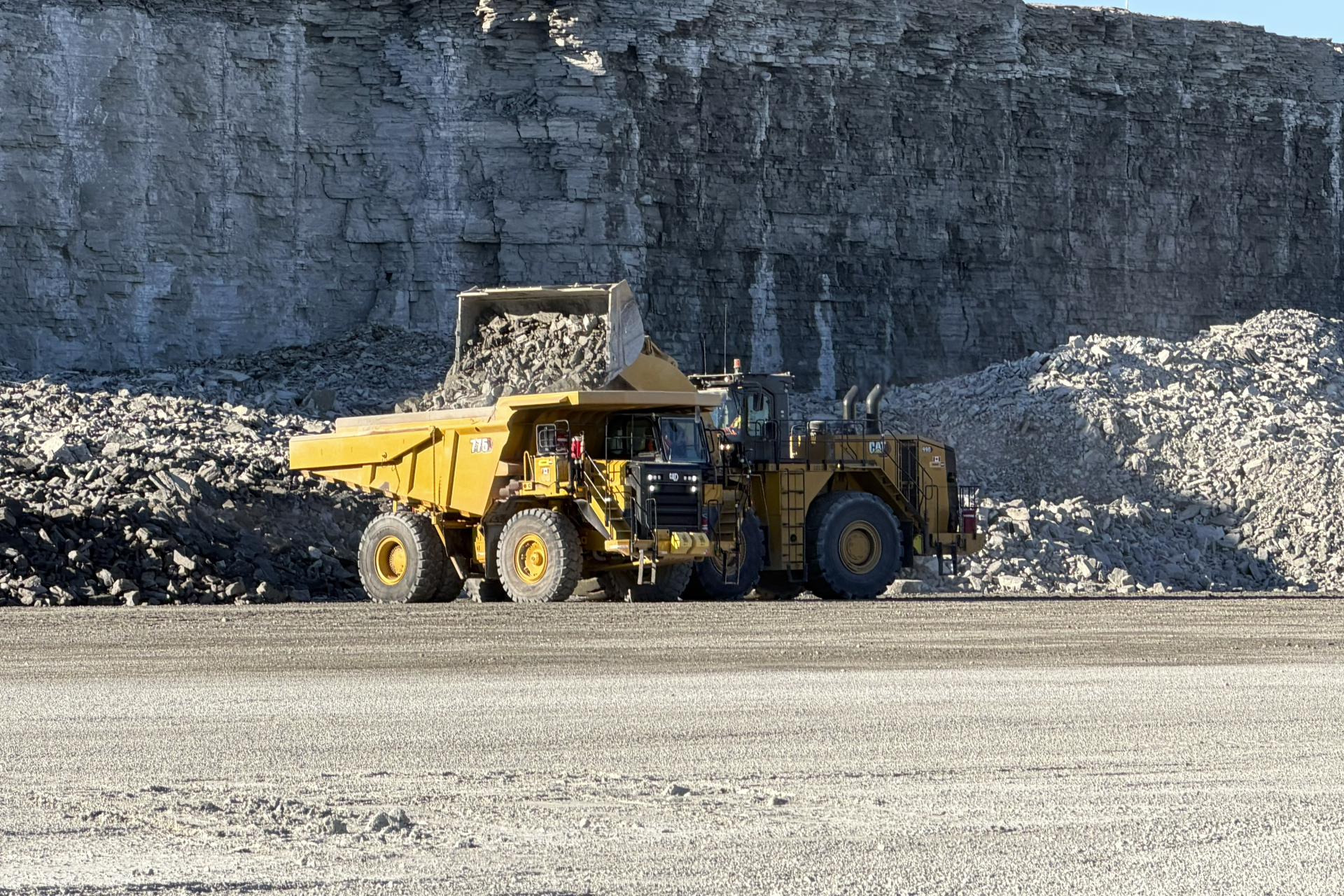
When Ontarians talk about economic growth, the discussion often centres on housing, infrastructure, trade and investment. Rarely does it focus on the materials that make those ambitions possible. Yet behind every new home, highway, bridge, school, hospital and transit project is a resource that remains largely invisible to the public: aggregate.
Stone, sand and gravel are among the most widely used resources in the economy and form the foundation of Ontario’s built environment. They are essential components in concrete, asphalt and glass, and are found in everything from roads and bridges to homes and public buildings.
The scale of these essential construction materials’ contribution becomes clear when viewed through the lens of Ontario’s growth challenges. The average single-family home requires approximately 250 tonnes of aggregate, while transportation infrastructure consumes vast quantities of the material. In fact, 60 per cent of the aggregate produced in Ontario is used in roads and highways, representing well over 100 million tonnes annually when broader transportation infrastructure is included.
As Ontario’s population continues to grow, so too will demand for the materials needed to support that growth. Population forecasts suggest the province could approach 20 million residents by 2041, while governments at all levels are committing hundreds of billions of dollars toward infrastructure and major projects. To meet those needs, Ontario is projected to require approximately four billion tonnes of aggregate by 2041.
Aggregate is also a significant economic competitiveness issue. Because it is a natural resource that can only be extracted where geology has placed it, maintaining access to close-to-market supply is critical. Transportation accounts for roughly 60 per cent of the cost of aggregate, meaning longer haul distances drive up construction costs, increase pressure on infrastructure budgets and ultimately affect housing affordability.
The impacts extend beyond Ontario. Across Canada, major trade corridors, energy projects, critical mineral developments and defence infrastructure all depend on aggregate. These projects are central to improving productivity, strengthening supply chains and enhancing the country’s long-term competitiveness. While the public often sees only the finished project, those investments require thousands, and often millions, of tonnes of stone, sand and gravel before they can become reality.
For that reason, aggregate should be viewed as more than a construction material. It is a strategic economic resource that supports housing affordability, infrastructure development, productivity and growth. Put simply, Ontario and Canada cannot build the future without the stone, sand and gravel that underpin it.